
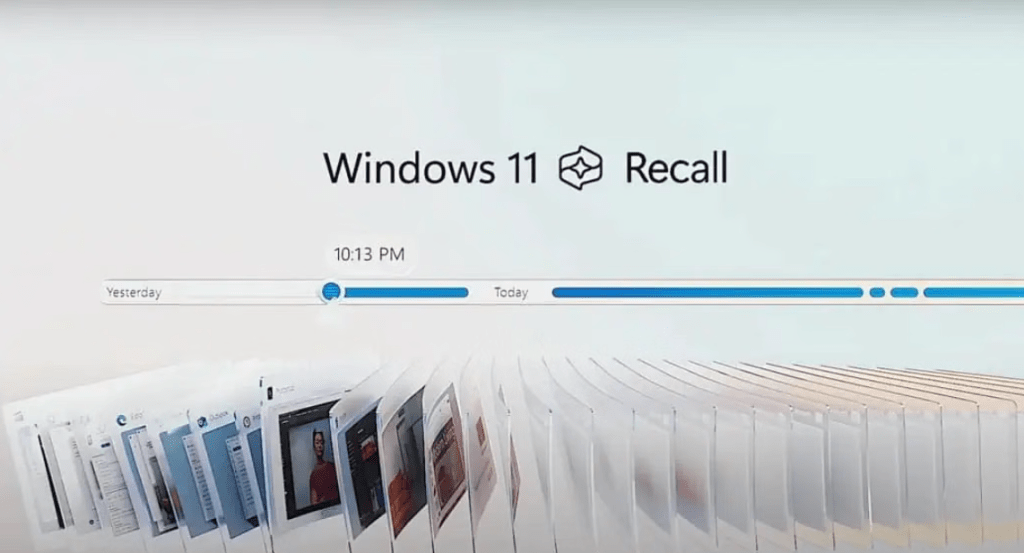
Microsoft is bringing back its AI-powered Recall feature to Windows 11, but with a more privacy-conscious approach. After months of delays and security concerns, the feature is now being tested again, this time with stricter opt-in controls and stronger data protection measures. It is available to Windows Insiders in the Release Preview Channel.
Originally set to debut with Copilot Plus PCs in mid-2024, Recall functions by capturing periodic screenshots of a user’s activity across apps, websites, and documents. These snapshots allow users to search and rediscover past content, such as a recipe, document, or website—even without recalling when or where they saw it.
However, its initial launch was put on hold after security researchers raised red flags, warning that continuous screen capturing could pose serious privacy risks. In response, Microsoft took the time to redesign the feature with user privacy at the forefront.
What’s New in the Updated Recall
- Strict Opt-In: Recall is now disabled by default. Users must manually enable it.
- On-Device Encryption: All snapshots are stored locally and encrypted. Access is restricted to the device owner, verified via Windows Hello login.
- No Cloud Uploads: Recall data remains confined to the device and is not sent to Microsoft servers or shared with other users.
- User Controls: Users can pause, delete, or manage what Recall captures, giving them full control over their data.
- “Click to Do” Feature: Allows users to interact with snapshots—such as copying text or reopening documents—directly from the Recall timeline.
Gradual Global Rollout
This marks the most extensive test for Recall so far, following previous limited previews for select Qualcomm, Intel, and AMD-powered PCs. Microsoft aims for a full public release in early 2025, with a Europe-specific launch expected later in the year to comply with regional data protection laws.
At launch, Recall will support English, Simplified Chinese, German, French, Spanish, and Japanese. Feature availability may vary depending on device specs, market regulations, and file format support.
Looking Ahead
Microsoft’s updated Recall rollout reflects its growing awareness of privacy expectations in the AI age. By placing control back in the hands of users and implementing local data processing, the company hopes to rebuild trust and redefine how users interact with their digital histories.




 Aaj Ki Janta
Leave a comment